
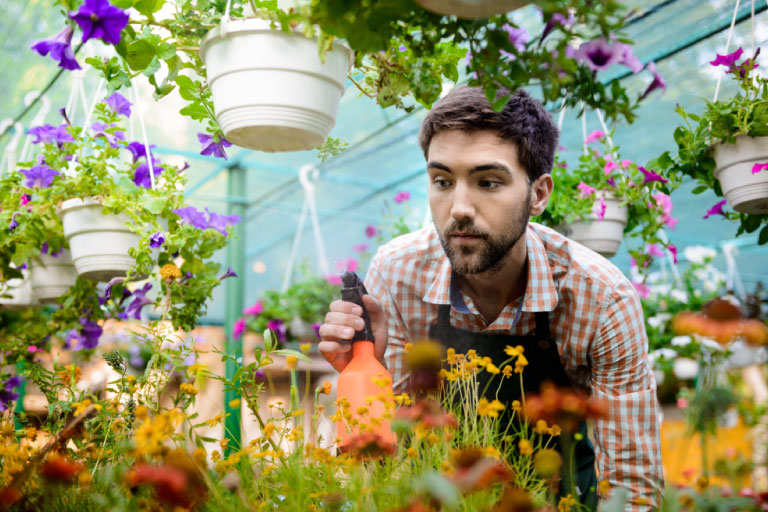
The Covid-19 pandemic has impinged on nearly every aspect of day-to-day living. The limits on travel and communal activity have hit particularly hard, with “staycation” becoming the word on everyone’s lips.
The restrictions have prompted us to reduce the size of our personal orbit and look closer to home for activity and stimulation.
One obvious source of activity and leisure is literally on our doorstep. More than 80% of us have access to a private garden and, in the past year, we have been making increasing use of them.
Your garden can define your year. Spring is the time when you look for signs that the long winter is over, for nature renewing itself and of the promised warmth ahead. Then the garden becomes the venue for enjoying ourselves and making the most of the long balmy days of late spring and summer.
Early autumn is the time for clinging on to the last bit of summer, before hunkering down for the winter, when the garden prompts memories of times enjoyed and those to come.
So, while there’s a wellbeing aspect to your garden, there’s a financial one too. Research shows that a well-maintained garden can add value to your property and make it easier to sell when you come to move on.
In this guide, discover ten ways that you can make the most of your garden this spring. Regardless of its size, and whether you’re a budding Alan Titchmarsh or a gardening novice, you should find something here to help you make the most of your garden in the coming months.
UK gardening statistics
51%
of people say that they get a good deal of pleasure from their garden
42%
of adults say that they garden in their spare time
38%
of people say they grow some of their own veg
The average UK garden size is 14 square metres 8 in 10 people have access to a private garden
1. Be realistic
Unless you’ve got a clear idea already, it’s worth spending some time thinking about what you want to do with your garden. Put a plan together, especially if you’re just moving into a new house or you’ve previously neglected your garden.
The key influencing factors will be what you want to get out of it, the size of space you’ve got to work with, and how committed to maintaining it you honestly will be.
Prioritise the sorts of things you know you’ll use and get the most out of, not the things you think you ought to.
Whilst some hard work is involved, particularly at the beginning and end of summer, gardening should not feel a chore or an imposition.
Keep things as low maintenance as possible, unless you’re really keen. Or, if you aren’t sure, start simple and build up from there, step-by-step.
There are plenty of sources for inspiration and ideas, including:
- Garden centres
- DIY superstore
- Neighbours and friends.
Quick tip
There is nothing wrong with being a nosy neighbour when it comes to planning your garden. You might get some good ideas of how they have used the available space!
2. Have a budget
There’s no hard and fast rule as to how much you should spend on your garden. It tends to come down to how much you’re prepared to spend, and what kind of garden you’re looking for.
There are plenty of ways to make your garden look good with a limited outlay. Some of the most common are:
- Repainting fences and borders rather than replacing them
- Using shingle rather than paving slabs for hardstanding areas
- Reclaiming furniture and recycling containers.
If you’re starting from scratch, either with a new garden or one that’s had little attention, the key priorities will probably be to tidy it up and create an area where you’ll be happy sitting. Once you have completed this, you can then decide how and when you want to move forward and which areas you want to focus on.
Quick tip
Try to spend the most money on things you enjoy. If you’re just into lounging around, then push the boat out on comfortable chairs. If you like cooking outdoors, get a good quality barbecue
What do people use their garden for?
77%
As a place to relax
64%
Growing plants and flowers
52%
Feed and encourage wildlife
43%
Entertain family and friends
38%
Grow fruit and veg
23%
Children’s play space
17%
To get exercise
Source: YouGov, 2020
3. Create a suntrap or two
Probably the top reason for a garden is to spend time outdoors and not cooped up in the house. So, make sure you have areas where you’ll want to sit in the sun and relax.
Find a compass and establish which way your garden faces. If it faces east, then you’ll get sun into the house in the morning, and it’ll pass over during the day. So, two decent seating areas, one at either end of the garden, will help you maximise your time in the sun.
If it faces west, then the reverse will apply, and the end of your garden will get most sun.
If you have trees or large plants in your garden, they’ll provide you with some natural shade. If you haven’t, then screens around an area with climbing plants will provide shade and privacy.
Quick tip
If your sunny area is furthest from the house, having to go inside every time you want a cold drink can be a pain. So, keep your drinks cold with a bag of ice and a small cool box.
4. Keep the children occupied
Because we’re usually imploring them not to spend all their time in front on one kind of screen or another, it makes sense to create some activities to encourage children to get outside and enjoy themselves.
This is especially the case if they are too young to go out unaccompanied, or you’re a long way from the nearest open space.
What you provide will obviously depend on the size of space available, your budget, and the ages of your children or grandchildren.
If you’re limited for space, some suggestions include:
- An enclosed trampoline
- Swingball
- Playground equipment such as swings, a climbing frame, or a slide.
For children who like sports, a five-a-side football goal can be a good idea. If you’re worried about part of the lawn getting worn, then maybe fit an area of artificial turf to protect the goalmouth. For obvious reasons, make sure the goal faces the house!
If you have trees in your garden, then a tree house could be an option. If they’re old enough, you could encourage your children to build their own. You’ll just need to provide suitably sized bits of wood.
If you’ve got the luxury of plenty of space and a decent budget, then providing your kids with their own small shed or playhouse could pay dividends. Their imaginations will turn it into no end of different venues – from a fort, a camp or just somewhere to escape from nagging parents! It also provides some extra storage space during the winter, or when they have outgrown it.
Quick tip
Turning your garden into Old Trafford or Stamford Bridge could threaten plants and vegetables. Low fencing can help reduce the damage, as can bigger screens if you have the space to demarcate your garden.
5. Eat out in style
If your plan is to eat outside in your garden as often as possible, then it’s worth taking steps to make this as easy as possible.
Make sure you have good quality table and chairs, big enough for your purposes. Post pandemic, if you’re going to be inviting a lot of guests, then it’s worth having a spare table and set of fold-up chairs.
For shade, it’s worth investing in a decent-sized sun umbrella that can be adjusted as the sun moves overhead.
You’ll doubtless want to cook outside, which means a barbecue (more of this in a moment!)
Remember to be careful when you’re siting the barbecue for cooking – make sure you aren’t too close to any trees or wooden buildings. Many models come with wheels, making it easier to store them when they aren’t in use.
Quick tip
If you’re really into outdoor cooking and have the shed space, why not try a smoker? They are cheap to buy and use and add extra flavour to a whole range of different foods.
Gas or charcoal?
It’s a perennial debate that causes disagreement whenever two or more people are standing around a couple of steaks and sausages cooking on a barbecue. What’s the best type of barbecue to cook on?
It probably comes down to personal choice, what you’re used to, the type of cooking you do, and what you’re comfortable with. Here’s a quick comparison of the benefits of each:
The benefits of gas
- Ease of use and speed – Much simpler to light up. Just turn the tap and press the ignition.
- Accuracy – You can control the temperature, rather than being at the mercy of how quickly the charcoal burns.
- Direct and consistent heat – There will usually be two or three burners, which will prevent temperature fluctuation.
- Quantity – You won’t need to top up charcoal supplies as you’re cooking so it’s easier to cook for long periods.
The benefits of charcoal
- Getting started – By using a barbecue chimney you can light charcoal and have it ready to cook and spread across the cooking area relatively quickly.
- Versatility – You can sear meat quickly (quicker than with gas) and cook large pieces of meat in indirect heat.
- Indirect grilling – You can cook items away from a direct heat source.
- More flavour – You can incorporate different flavour wood chips and lumps of wood to add flavour to whatever you’re cooking.
Alternatively, if you can’t make your mind up, some manufacturers now make utility models that allow you to use gas or charcoal.
6. Grow your own fruit and vegetables
Nearly two-thirds of people use their garden for growing fruit and vegetables. It’s rewarding to eat something that you’ve grown yourself from seed, and the cliché about home-grown produce tasting better is justified.
There are no hard and fast rules over what you should grow, but here are some pointers:
- Only grow what you’ll eat. There’s no point growing loads of carrots if no one in the family likes them!
- Unless you have a lot of space, it’s unlikely you’ll be able to be selfsufficient. Grow enough to enjoy.
- Some crops can be difficult to grow and demand a lot of attention, so read up and grow produce you’re comfortable with.
- Rather than a single big crop, it’s worth trying several different items. This increases your chances of growing something successfully.
- Remember climbing crops such as beans will need support, so try to site these near fences you can attach netting or trellis to.
- Follow the planting and growing information on seed packets closely, paying particular attention to watering instructions and the amount of space some crops will need.
It’s worth planning out what you’re going to grow, and where you’re going to grow it. If you get the timing right, you can grow two different items in a year in the same plot.
For example, you can plant onions in October as they are robust enough to withstand cold winter weather. You can then harvest the following summer and plant something with a short growing season – perhaps salad leaves and carrots – to pick in September.
Throughout the growing season, keep the area free from weeds, and make sure you use some plant food to support crops as they are growing. When an area is empty, dig in some good quality compost to help the soil quality.
Quick tip
If you don’t want to grow plants or vegetables from seed, garden centres stock a whole range of both that have been grown from seed and are ready for you to plant.
Some of the easiest fruit and vegetables to grow
Salad leaves: Straightforward to plant and grow, but birds love them, so it’s advisable to put some netting or garden fleece over them. As they develop you can cut the leaves off and they’ll regrow.
Radishes: Plant the seeds, keep them watered and pick them about four weeks later. That’s it!
Peas and beans: Peas and all varieties of beans (broad, runner etc.) will require support like canes or netting for them to grow vertically. Once it’s in place and they’re growing, there’s very little to do until you start picking them.
Onions and garlic: You can plant these in the autumn, and they’ll be ready to harvest the following summer. Very little attention required.
Swede: Plant in rows and then thin out the seedlings once they’ve started growing. They’ll withstand the worst weather, so you can pick them when you want during the winter.
Parsnips: The same as with swede. One thing to note is that they take a long time to get going, so don’t forget you’ve planted them!
Tomatoes: Grow indoors (house or shed) until they’re about six inches tall, then plant them out in pots, troughs or grow bags from May onwards. They’ll require some support to help them grow, as well as regular watering and feeding.
Strawberries: Grow in pots or troughs to stop them spreading. One big advantage is that they’ll grow again the following year, so don’t dig them up by mistake!
In all cases, if you follow the instructions on the seed packets you can’t go far wrong.
7. Think of the wildlife
Encouraging wildlife into your garden can be rewarding, and you’ll know that you’re helping ensure the survival of the UK’s wide variety of birds, insects, and mammals.
One way to do this is to allow part of your garden to develop into a wild meadow. The easiest way to do this is simple – don’t cut back an area and allow the grass to grow. You can encourage this by sowing wild grass and other similar crops. The key benefits of this are:
- It reduces the amount of lawn you must cut!
- It encourages insects including bees into the area, which is good for pollination of your flowers and vegetables.
- It’s a cheap way of adding colour to your garden.
A series of bird feeders with different foods, such as nuts, seed and fat balls, will encourage a variety of birds into your garden.
Quick tip
When you’re placing bird feeders keep them high enough that predators like cats or foxes can’t reach them. Trees or posts are best for this.
8. Consider your garden an extension of your house
It’s likely that the area closest to the house will be the area you most use in your garden. We aren’t lucky enough to get the same levels of sunshine here in the UK that they do in Spain, Portugal, or Greece, so sometimes you’ll probably just want to sit outside your back door.
It’s therefore worth making sure you’ve got a decent area to sit in, such as a patio or some decking.
You’ll be able to light this area with external lighting powered from inside the house.
If your garden needs a lot of watering, it’s worth getting an external tap fitted, rather than having to fill a watering can from the kitchen sink. Alternatively, to keep your water bill in check, you could install a water butt beside a suitable downpipe.
Quick tip
Don’t forget troughs and pots in the area closest to the house. You can easily grow herbs for cooking in small troughs, and sweet-smelling shrubs or vines like honeysuckle.
9. Make sure you’ve got enough storage space
One prerequisite for a back garden, assuming you have space, is a garden shed. This will provide storage space for your garden equipment, as well as becoming a de facto utility room if space in the house is limited.
If it’s straightforward, consider wiring up electrical power to the shed. This means it can have lighting, which makes it easier to find things during the winter. If there’s space, it also gives you the option of a second freezer for longer term storage.
If you really do have space to spare, you could consider other outbuildings such as a summer house, or even a bigger construction such as an office.
Quick tip
Most sheds work out cheaper if you self-build. It’s worth getting someone to help, however, as larger constructions can be tricky. Once it’s up, fit some shelves before you start filling it.
10. Don’t forget the front garden
When you’re putting your plans together, don’t forget the area at the front of your house. Most properties are designed to ensure the back garden is bigger, but there could still be some useful space for you to manage and utilise.
From a financial point of view, a decently maintained front garden will give your house “kerb appeal” when it comes to attracting potential buyers.
Try and keep rubbish and recycling bins away from the house if you can. Maybe consider a small shelter for them at the far end of the garden if you have the space.
Low maintenance planting is probably advisable, as you obviously won’t be spending as much time there as you will be in the back garden, so aim for things you can just plant and water occasionally.
If you have space close to the front door, an outdoor storage cupboard with a lift-up lid can be ideal for muddy boots and gardening equipment. Make sure it’s secured.
Quick tip
Remember whatever you plant in the front garden will need watering. An extra water butt will mean you won’t have to carry a watering can through the house.
Pop the gloves on and get started!
We hope you’ve found this guide useful, and that it’s given you some ideas for improving your own garden
If you’re looking for more inspiration and guidance, we recommend checking out the Royal Horticultural Society and BBC Gardening websites. Both provide a wealth of professional advice and gardening tips for everyone from amateur gardeners to green-fingered experts.
We may not be able to help you with your herbaceous borders, but we can help you to achieve your long-term financial goals. Get in touch to find out what great advice can do for you.
