
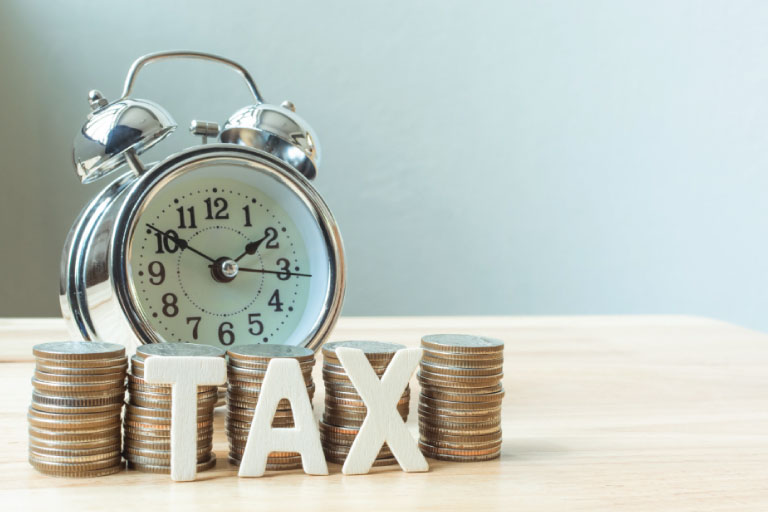
The 2022/23 tax year ends on Wednesday 5 April.
After this date, many allowances will reset, so it could be your last chance to use some of them. Making the most of allowances can reduce your tax liability and help your money to go further.
Reviewing your finances now could mean you discover an allowance you could make use of before the deadline.
Here are seven allowances to consider using before the 2022/23 tax year ends.
1. Marriage Allowance
2022/23 allowance: up to £1,260
Using your Marriage Allowance could reduce your Income Tax bill by £252.
The Marriage Allowance allows a spouse or civil partner to give some of their unused Personal Allowance to their partner.
The Personal Allowance is the amount of income you can receive before Income Tax is due. For the 2022/23 tax year, it is £12,570.
If you or your partner has an income below this threshold, the person on the lower income may be able to pass on up to £1,260 of their Personal Allowance. This effectively increases the Personal Allowance of their partner to £13,830. This can then reduce their tax bill for the 2022/23 tax year by £252.
To be eligible you must be married or in a civil partnership. The partner with the higher income must also pay Income Tax at the basic rate in England, Wales, or Northern Ireland. This usually means their income is between £12,571 and £50,270.
In Scotland, the higher income earner must pay the Scottish starter, basic, or intermediate rate of Income Tax. This usually means their income is between £12,570 and £43,662.
You can backdate the Marriage Allowance for up to four years. So, you have until 5 April 2023 to use your entitlement from the 2018/19 tax year.
2. ISA allowance
2022/23 allowance: £20,000
An ISA provides a tax-efficient way to save and invest.
The interest or returns you earn on money held in an ISA are free of both Income and Capital Gains Tax (CGT). For the current tax year, you can add up to £20,000 to an ISA.
You can spread your annual allowance across several different ISA types.
For adults, there are five different types of ISA that you can contribute to:
1. Cash ISA
A Cash ISA operates similarly to a savings account, but the interest you earn is paid free of Income Tax and CGT. Some Cash ISAs are subject to restrictions, such as how much you can withdraw.
2. Stocks and Shares ISA
Using a Stocks and Shares ISA allows you to invest in the stock markets and other assets. Returns are free of Income Tax and CGT. As with all investments, you should have a long-term outlook and understand your risk profile when using a Stocks and Shares ISA.
3. Lifetime ISA (LISA)
If you’re aged between 18 and 39, you can open a LISA. A LISA can be a Cash or Stocks and Shares ISA. You will receive a 25% government bonus on your contributions. However, you will be penalised if you make a withdrawal before you turn 60 for any purpose other than buying your first home. The maximum amount you can place into a LISA each tax year is £4,000.
Saving for children through a Junior ISA (JISA)
A JISA is a tax-efficient way to save or invest for a child.
The annual subscription limit for 2022/23 is £9,000. The child can begin managing their ISA from 16, but they cannot withdraw money until they are 18.
Like their adult counterparts, interest and returns are free of Income and Capital Gains Tax. If you don’t use the allowance before the end of the tax year, you will lose it.
4. Innovative Finance ISA
An Innovative Finance ISA is designed for peer-to-peer lending investments. Usually, these kinds of investments are higher risk than traditional alternatives, so are not appropriate for most investors.
5. Help to Buy ISA
While you can no longer open a Help to Buy ISA, if you already have one, you can continue to contribute until November 2029. You can add up to £200 a month and the government will top up your savings by 25% (up to £3,000) when you buy your first home.
If you do not use your ISA allowance for the 2022/23 tax year, you will lose it.
Personal Savings Allowance
You may also have a Personal Savings Allowance. This is the amount of interest you can earn without paying tax. The allowance depends on which Income Tax band you’re in:
- £1,000 if you’re a basic-rate taxpayer
- £500 if you’re a higher-rate taxpayer You do not have a Personal Savings Allowance if you are an additional-rate taxpayer.
Should you choose a Cash or Stocks and Shares ISA?
Whether you should choose a Cash or Stocks and Shares ISA will depend on your goals and financial circumstances.
A Cash ISA may be appropriate if you have short-term goals in mind or are using it to build an emergency fund. However, as inflation is higher than interest rates, your savings could be losing value in real terms.
A Stocks and Shares ISA may be appropriate if you’re saving with longterm goals in mind. While investment returns cannot be guaranteed, historically, markets have delivered returns over the long term that beat inflation. If you choose to invest, it’s important you understand your risk profile and choose an option that is right for you.
3. Dividend Allowance
2022/23 allowance: £2,000
Using your Dividend Allowance could be a taxefficient way to boost your income.
Dividends are paid by companies to share out the profits they have made. If you hold shares in a dividend-paying company, you will receive payments. The amount you receive will usually be dependent on performance and stock price.
You may also receive dividends if you own your own business. Many company directors draw a combination of salary and dividends from their business to maximise the tax efficiency of their income.
The Dividend Allowance means every individual can receive up to £2,000 in dividends without incurring tax. So, if you’re a company director, you can pay yourself up to £2,000 in dividends from the business without paying any Dividend Tax.
How much tax you pay on dividends that exceed the allowance will depend on your Income Tax band:
- Basic rate: 8.75%
- Higher rate: 33.75%
- Additional rate: 39.35%
If you don’t use your Dividend Allowance before the end of the tax year, you will lose it.
In the 2022 autumn statement, chancellor Jeremy Hunt announced the Dividend Allowance would be reduced.
For the 2023/24 tax year, it will fall from £2,000 to £1,000. It will then halve again to £500 for the 2024/25 tax year.
If dividends form part of your income, your tax liability could rise in April 2023, and you should review your financial plan.
4. Capital Gains Tax annual exempt amount
Using your Capital Gains Tax annual exempt amount could save you money when you sell some assets.
Capital Gains Tax (CGT) is paid when you sell certain assets and make a profit. This may include stocks that aren’t held in an ISA, a second property, or personal possessions worth more than £6,000 (excluding your car).
For the 2022/23 tax year, the CGT exempt amount means an individual can normally make profits up to £12,300 before CGT is due.
In some cases, spreading out the disposal of assets across several tax years can help reduce your CGT liability. You may also want to plan with your partner to maximise both of your annual exempt amounts.
If you exceed this allowance, your rate of CGT will depend on other taxable income:
- Standard CGT rate: 18% on residential property, 10% on other assets
- Higher CGT rate: 28% on residential property, 20% on other assets.
If you’re not sure if your assets could be liable for CGT or the tax rate you’d pay, please contact us.
If unused, you can’t carry forward the CGT annual exemption.
The CGT annual exempt amount will fall from £12,300 to £6,000 in the 2023/24 tax year. It will then reduce to £3,000 for the 2024/25 tax year.
If you are disposing of assets, it’s important to keep these changes in mind as they could affect your tax liability.
In some cases, selling assets before the annual exempt amount changes could make financial sense. Please contact us if you have any questions.
5. Pension Annual Allowance
2022/23 allowance: up to £40,000
A pension is a tax-efficient way to save for your retirement. Using your Annual Allowance could help create financial security in your later years.
The pension Annual Allowance is the maximum that you can pay into your pension each tax year while still benefiting from tax relief. This includes pension contributions made by your employer or other third parties.
In the 2022/23 tax year, the Annual Allowance is 100% of your annual earnings, up to £40,000, for most people.
However, there are two reasons why your Annual Allowance may be lower:
- The Tapered Annual Allowance means if your threshold income is over £200,000 and your adjusted income is more than £240,000, your Annual Allowance will be reduced by £1 for every £2 your income exceeds these thresholds. It can be reduced by a maximum of £36,000. As a result, your Annual Allowance can be as low as £4,000.
- If you have flexibly accessed your pension, you may be subject to the Money Purchase Annual Allowance. This reduces the amount you can tax-efficiently save into a pension to £4,000 each tax year.
It’s important to know what your Annual Allowance is, so please contact us if you’re unsure or have any questions.
Unused pension Annual Allowance can be carried forward for up to three tax years. You have until 5 April 2023 to make full use of your allowance from the 2019/20 tax year.
6. Inheritance Tax annual exemption
2022/23 exemption: £3,000
If your estate could be liable for Inheritance Tax, the annual exemption means you can pass on a gift tax-free.
If you’re concerned about Inheritance Tax (IHT), gifting to loved ones now can reduce the value of your estate and, so, the eventual bill.
However, not all gifts are immediately exempt from IHT. Some may be considered part of your estate for up to seven years. Taking advantage of gifts that are outside of your estate immediately can provide peace of mind.
Each year, your IHT annual exemption means you can pass on a tax-free amount. In 2022/23, this amount is £3,000. The limit applies per individual, so couples can gift up to £6,000 between them.
The exemption can be carried forward for one year.
Gifting small amounts
In addition to the annual exemption, you can gift small amounts (up to £250 per person) to as many people as you like.
7. Gifts from your income
2022/23 allowance: dependent on your disposable income
Making gifts from your income could reduce your estate’s Inheritance Tax bill.
If Inheritance Tax (IHT) is a concern, gifting from your income is another way to reduce a potential bill. However, these gifts need to be made regularly and must:
- Be made from your income
- Be part of your normal expenditure
- Leave you with sufficient income to maintain your current lifestyle.
This can be a useful way to offer financial support to loved ones. For example, you might pay the school fees of grandchildren or make regular deposits to pay for the living costs of your children.
If you want to take advantage of this, it’s important to make sure your regular gifts have continued throughout the current tax year. You should also keep a careful record of gifts made under this exemption.
Gifts from your income must be made regularly. So, missing a gift might mean that HMRC doesn’t deem the gifts “regular” so includes them in the value of your estate when you pass away.
Do you need to consider Inheritance Tax?
The standard Inheritance Tax (IHT) rate is 40%. If your estate could be liable, it’s important to be proactive to maximise how much you pass on to your loved ones.
The nil-rate band for the 2022/23 tax year is £325,000. If the value of your entire estate doesn’t exceed this threshold, no IHT will normally be due. If you will be leaving some properties, including your main home, to children or grandchildren, you can also use the residence nil-rate band. For the 2022/23 tax year, this is £175,000.
This means many people can leave up to £500,000 before IHT is due. If you’re married or in a civil partnership, you can also pass on unused allowances to your partner. As a result, if you’re planning as a couple, you could leave up to £1 million before you need to consider IHT.
If the value of your estate exceeds these thresholds, there are often steps you can take to mitigate an IHT bill, so please contact us to discuss your needs.
Contact us to talk about your 2022/23 allowances and making the most of your wealth
Keeping on top of allowances and exemptions can be challenging. We can help ensure the ones that make sense for you are part of your financial plan.
Please contact us to discuss how to make use of 2022/23 tax allowances. We can also help you put an effective plan in place for the upcoming tax year that considers changes and helps you make the most of your income and wealth.
